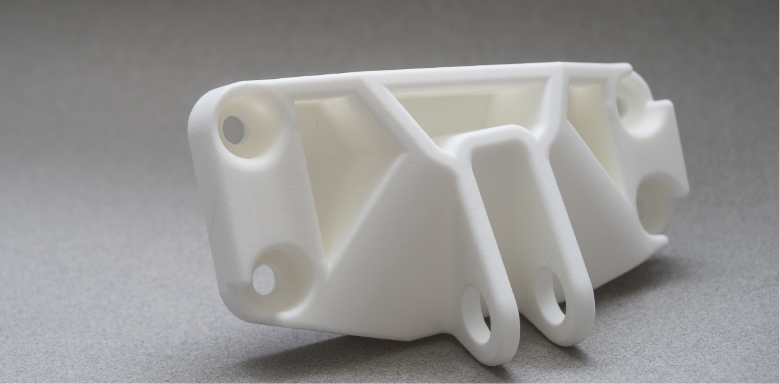
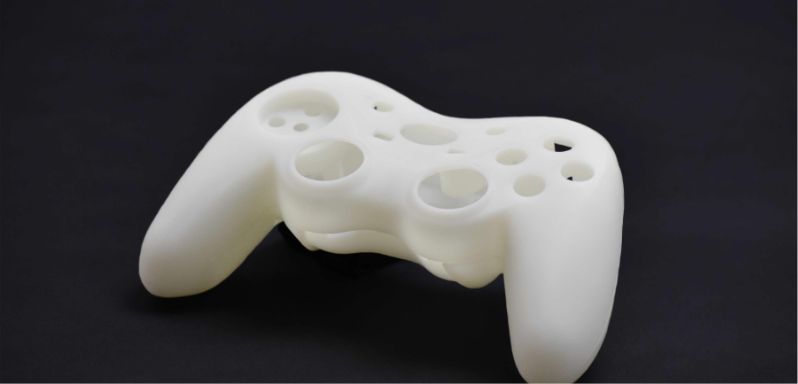
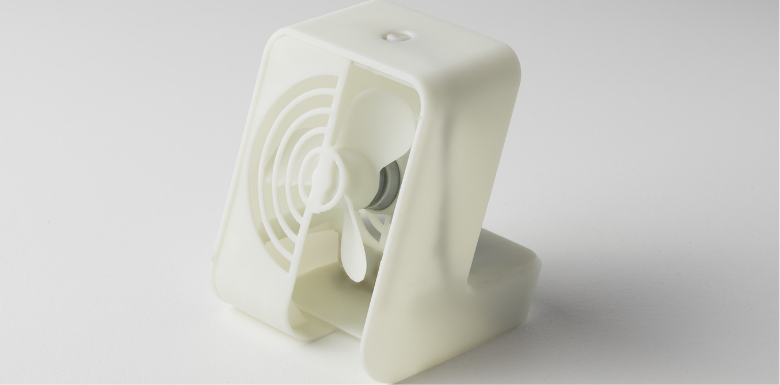
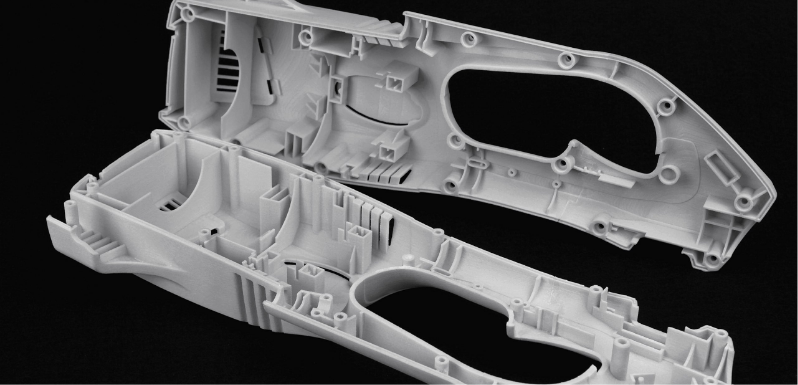
Protosys Technologies specializes in Additive Manufacturing (3D Printing), a process that transforms a 3D CAD design into a physical part by building it layer by layer. Unlike traditional manufacturing, it requires no molds, tooling, or machining setups, allowing parts to be produced directly on the print bed with speed and flexibility. This technology is ideal for rapid prototyping, low-volume
Advantages of Am
Additive manufacturing builds parts layer by layer using materials like filaments, powders, liquids, or sheets, through jetting, extrusion, photo-curing, laminating, or fusing.
Quick Turnaround Times
Product development is much faster compared to traditional manufacturing.
High Customisation
Each and every part can be customised according to every need.
Complex Geometry
Parts with complex geometry are easily printed and as simple parts.
Scalability
Additive Manufacturing allows production of 1 part or 100 parts.
Technologies
Additive manufacturing involves various processes where parts are built layer by layer using materials like filaments, powders, liquids, pastes, or sheets. These materials are shaped through jetting, extrusion, photo-curing, lamination, or fusion techniques.
SLA
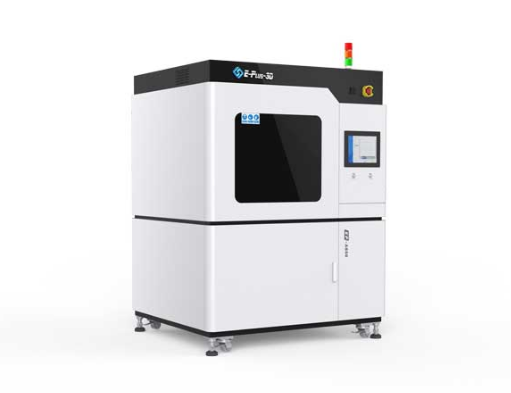
SLA is an additive manufacturing process where a UV laser cures liquid resin layer by layer to build a 3D object. The design is traced onto the resin surface, and the build platform lowers incrementally after each layer. Once complete, the part is post-cured under UV light for enhanced durability.
Advantages
High Precision: Ideal for detailed designs.
Smooth Finish: Minimal post-processing.
Fast Prototyping: Quick concept-to-prototype turnaround.
Complex Geometries: Handles intricate shapes.
Minimal Waste: Layer-by-layer production.
Applications
Prototyping: Accurate models for testing and validation.
Aesthetic Parts: Detailed visual designs.
Medical: Custom implants and anatomical models.
Consumer Goods: Product models and samples.
Industrial Parts: Functional prototypes and end-use parts.
SLS
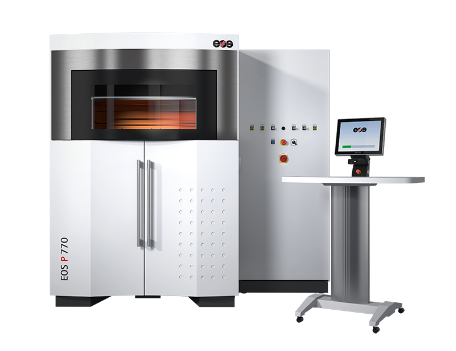
SLS is an additive manufacturing technique where a CO2 laser fuses powdered material layer by layer based on 3D CAD data. The laser selectively sinters the powder, creating solid structures. After each layer is sintered, the platform lowers, and fresh powder is spread over the part until the object is fully built, then excess powder is removed.
Advantages
Durability: Produces strong, functional parts.
Complex Geometries: Can create intricate designs with ease.
No Support Structures: Parts are self-supporting during the build.
Variety of Materials: Works with plastics, metals, and composites.
High Precision: Offers fine detail and dimensional accuracy.
Applications
End-Use Parts: Durable components for functional applications.
Automotive: Prototyping of functional parts and tooling.
MULTI JET FUSION
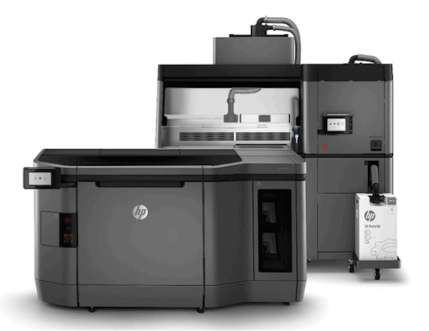
MJF is an advanced additive manufacturing process using HP Thermal Inkjet technology to rapidly and precisely produce parts. Fusing, detailing, and colouring agents are applied layer by layer, bound by energy, with air cooling completing the ready-to-use parts.
Advantages
High Speed: Up to ten times faster production.
Cost Efficiency: Reduces production costs significantly.
Voxel Control: Enables precise control for functional parts.
Dimensional Accuracy: Ensures tight tolerances and fine details.
Prototyping: Rapid production of functional prototypes.
End-Use Parts: Cost-effective manufacturing for final products.
Consumer Goods: Customizable and durable components.
Medical Devices: Complex geometries with high precision.
Aerospace and Automotive: Lightweight, functional parts.
DMLS
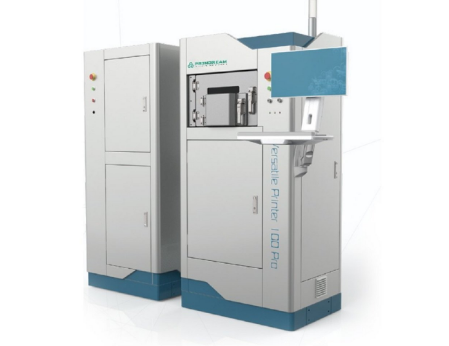
DMLS is a metal 3D printing process where a laser fuses metal powder layer by layer. The build platform lowers with each layer, and the part undergoes post-processing for strength and finish.
Material Variety: Works with metals like titanium, aluminum, and steel.
High Strength: Creates durable, end-use metal components.
Reduced Waste: Minimizes material usage compared to traditional methods.
Rapid Production: Speeds up manufacturing for functional metal parts.
Applications
Prototyping: Accurate models for testing and validation.
Aesthetic Parts: Detailed visual designs.
Medical: Custom implants and anatomical models.
Consumer Goods: Product models and samples.
Industrial Parts: Functional prototypes and end-use parts.
FDM
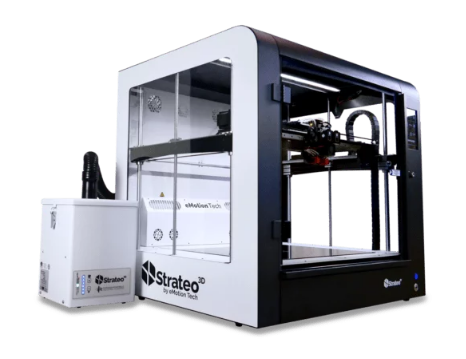
FDM is a widely-used additive manufacturing process where thermoplastic material is heated and extruded through a nozzle to build parts layer by layer. The material solidifies as it cools, and the build platform lowers incrementally to form the final part. It’s ideal for rapid prototyping and functional parts.
Advantages
Cost-Effective: Affordable process for prototyping and small batches.
Material Options: Works with durable thermoplastics like ABS, PLA, and Nylon.
Functional Parts: Produces parts suitable for testing and end-use.
Ease of Use: Simple setup and quick turnaround time.
Scalability: Suitable for small to medium-sized components.
Applications
Prototyping: Functional models and design validation.
Tooling: Custom jigs, fixtures, and molds.
Education: Hands-on learning in design and manufacturing.
Consumer Goods: Low-volume production of customizable items.
Automotive: Test parts and lightweight components.
Additive Manufacturing Products
Materials Used In Am
RESINS
Resins are ideal for parts that require high finesse and detail. The resin is a photopolymer in the form of a viscous liquid that requires a light source to produce and cure a desired part. Protosys Technologies offers Accura 25, Accura 60, and ABS.
NYLON
Nylon powder is used extensively in SLS as it is very flexible, offers good heat and chemical resistance, and the unsintered powder acts as a support to the part that is manufactured. Protosys Technologies offers PA6, PA12 glass-filled.
METAL
Metal powders are used mainly in DMLS and produce parts for high-end engineering applications. The metal parts produced have high strength, high hardness, and high thermal capacity. Protosys Technologies offers Stainless Steel, Aluminium, and Titanium.